The Hidden Dangers of Online Slot Games and Gambling Websites
Online Slot Games and Gambling Websites
In recent years, online slot games have spread rapidly and attracted millions of players around the world. At first glance, these games may look like harmless entertainment—colorful graphics, engaging sound effects, and the promise of big wins. However, behind this excitement lies a very real danger that many players underestimate.
Why Online Slot Games Are Risky
1. The Illusion of Happiness
Many platforms promote online slots as a source of joy, creating a false sense of achievement every time the reels stop. While players may feel a short-term “rush” when they win, this sensation is temporary and often leads to chasing bigger bets—putting financial stability at risk.
2. Addictive by Design
Online slot games are intentionally designed to keep players engaged for as long as possible. Features like free spins, multipliers, and constant rewards stimulate the brain in the same way as addictive substances, making it extremely difficult for players to stop.
3. Financial Losses Can Be Devastating
Unlike traditional entertainment, gambling comes with a high cost. Many people end up spending far more than they can afford, often leading to debt, financial hardship, and stress. What seems like “fun” quickly turns into a destructive cycle.


4. Targeting Vulnerable Players
Young adults and those struggling with financial or emotional issues are especially at risk. Gambling websites often lure these groups with “welcome bonuses,” “free spins,” or “no deposit” promotions—only to hook them into spending real money later.
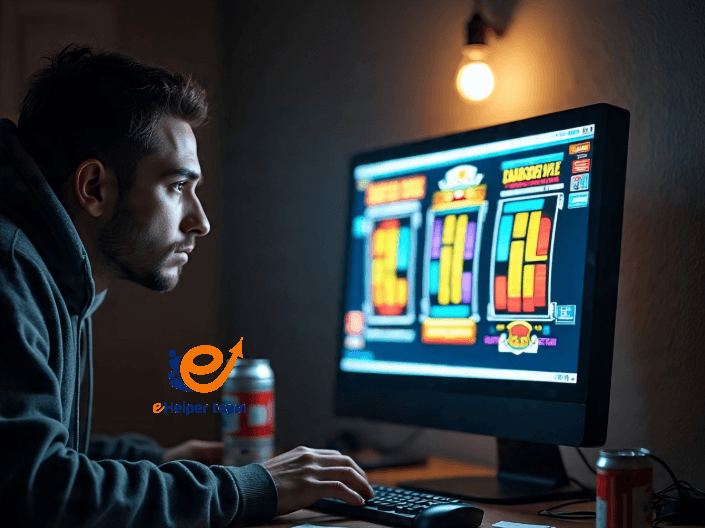
Examples of Dangerous Online Slot Games
Games with themes such as mythology, fairy tales, epic wars, and fantasy worlds may appear entertaining but are specifically designed to captivate attention. Whether it’s “God of Fortune,” “Wild Fairies,” or “Riches of Troy,” all these titles share one goal: to keep players spinning the reels and risking more money. The appealing visuals and bonus features are distractions from the real risk—losing control of your finances and time.
The Psychological Trap
Online slot gambling creates:
False success: Winning feels like an achievement, but it’s purely luck.
Unlimited distraction: Players use games to escape stress, often making problems worse.
Unrealistic hope: The belief that “the next spin could be the jackpot” keeps players stuck.
This cycle is what makes online slot games so harmful. What starts as “fun” can spiral into a dangerous addiction.
How Online Slot Games Exploit Children
Online gambling websites often disguise their slot games with bright colors, cartoon-like characters, and themes that look very similar to video games. This makes them especially attractive to younger audiences.
Gamified Design: Many slots look like harmless mobile games, tricking children into thinking they are just playing for fun.
“Free Play” Mode: Kids can start with demo versions that don’t use real money, but once they are hooked, they are encouraged to switch to real bets.
Social Influence: Online slots sometimes allow sharing scores or achievements, making it look like a normal game rather than gambling.
This strategy blurs the line between gaming and gambling, putting minors at risk of developing unhealthy behaviors at an early age.

How Online Gambling Preys on the Poor
For low-income individuals, online slot games can appear to be a quick escape from financial struggles. However, this hope is intentionally exploited by gambling providers.
False Promises of Wealth: Advertisements highlight jackpots and “life-changing wins,” convincing people that gambling is a way out of poverty.
Low Entry Point: With small bets starting from just a few cents, poor players feel they can “afford” to try their luck—without realizing how quickly the losses add up.
Bonuses and Promotions: Free spins, no-deposit bonuses, and cashback offers are designed to hook vulnerable people into playing longer, spending more, and believing they are close to winning big.
In reality, the odds are always against the player. Instead of solving financial problems, these games often push people deeper into debt, stress, and despair.
The Hidden Danger
By targeting children with playful designs and manipulating the poor with false hopes, online slot gambling creates a dangerous cycle of dependency. These groups are the easiest to exploit—and the most likely to suffer long-term consequences.
Social and Psychological Consequences of Online Gambling
Beyond individual losses, online slot games create a ripple effect that harms families and communities.
Family Strain: Financial losses often lead to conflicts, broken trust, and even family breakdowns.
Mental Health Issues: Addiction to gambling is strongly linked to anxiety, depression, and feelings of hopelessness.
Isolation: Many addicted players withdraw from real-life relationships, preferring the false excitement of online games.
Generational Impact: When children see gambling normalized at home or online, they are more likely to adopt the same destructive habits in the future.
These consequences show that online slot games are not just a “personal risk” but a wider social danger that weakens communities and endangers future generations.
Final Warning
Online slot games and gambling websites may promise entertainment, luck, and happiness—but in reality, they can lead to addiction, financial ruin, and emotional distress. The combination of flashy graphics, endless bonuses, and aggressive marketing makes them especially dangerous for vulnerable players.
The safest choice is to avoid these sites altogether and seek healthier forms of entertainment. True happiness doesn’t come from gambling—it comes from stability, meaningful connections, and activities that enrich your life without putting your well-being at risk.
“Online gambling by young people can have a devastating impact on individuals, families, and communities. Due to their developmental stage, children and adolescents are at a heightened risk of developing this addictive behavior.” ويكيبيديا